
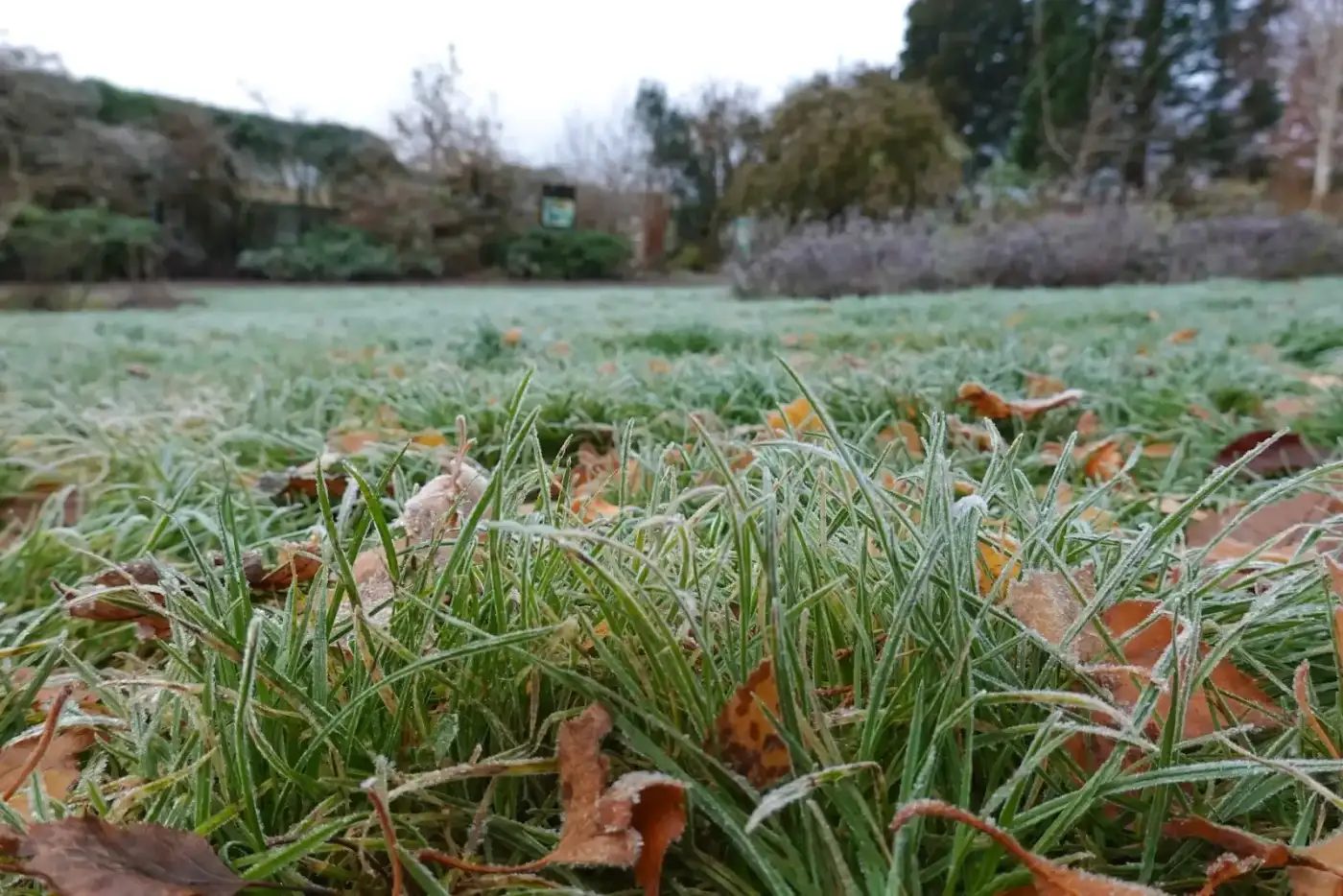
Charlotte's mild winters can be deceiving. While we don't experience the harsh freezes of northern states, our Zone 7b climate still requires proper lawn care during the colder months. Many homeowners make critical mistakes during winter that can lead to a struggling lawn come spring. Here are the five most common winter lawn care mistakes we see in the Charlotte area—and how to avoid them.
1. Mowing Too Short Before Winter
One of the biggest mistakes Charlotte homeowners make is cutting their grass too short in the final mow of the season. While it might seem like a good idea to 'get ahead' of winter, scalping your lawn actually exposes the crown of the grass plant to cold damage and frost. The crown is the growing point of the grass, and if it is damaged, the plant may not recover in spring.
What to Do Instead
Keep your final mowing height around 2.5 to 3 inches for fescue lawns (the most common in Charlotte) and 1.5 to 2 inches for Bermuda grass. This height protects the roots while preventing snow mold and other fungal issues.
2. Neglecting Leaf Removal
Charlotte's beautiful fall foliage means plenty of leaves covering your lawn by winter. Leaving a thick layer of leaves on your grass can smother it, block sunlight, trap moisture, and create the perfect environment for fungal diseases like brown patch. A few leaves are fine, but a dense mat is one of the fastest ways to thin out a fescue lawn before spring.
What to Do Instead
Remove leaves regularly throughout fall and into early winter. You can rake, blow, or mulch them with your mower. A light layer of mulched leaves can actually benefit your lawn by adding organic matter, but heavy accumulation should be removed.
3. Watering Incorrectly During Winter
Many Charlotte homeowners either over-water their lawns in winter or completely shut off irrigation. Both extremes can damage your grass. Over-watering in cold temperatures promotes root rot and fungal growth, while complete drought stress can weaken the lawn, especially for newly seeded fescue that needs moisture to establish roots.
What to Do Instead
During Charlotte winters, your lawn typically needs about 1 inch of water every 2-3 weeks if there's no rainfall. Water only during warmer parts of the day (above 40°F) and never before a freeze. Most winters, natural precipitation is sufficient.
4. Applying Fertilizer at the Wrong Time
Fertilizing too late in the season or using the wrong type of fertilizer is a common error. Late-fall nitrogen applications can stimulate new growth that won't survive winter cold snaps, weakening your lawn overall. For warm-season grasses like Bermuda and Zoysia, late fertilization is especially harmful because the grass is trying to enter dormancy.
What to Do Instead
For Charlotte's cool-season grasses (like fescue), apply your last fertilizer application by mid-November at the latest. Use a winterizer formula that's higher in potassium to strengthen roots rather than promote top growth. For warm-season grasses like Bermuda, stop fertilizing by September.
5. Walking on Frozen Grass
Charlotte may not get heavy snow, but we do experience frost and occasional freezing temperatures. Walking or placing heavy objects on frozen grass can break the brittle grass blades and damage the crown, leaving dead spots that won't recover until spring. This is especially important for fescue lawns that stay green all winter.
What to Do Instead
Avoid walking on your lawn when it's frosted or frozen. Wait until temperatures rise and the frost melts before any foot traffic. This simple habit can prevent unsightly dead patches in your lawn.
Charlotte-Specific Winter Lawn Considerations
Charlotte's Piedmont clay soil adds another layer of complexity. Clay holds water longer than sandy soils, which means over-watering is a bigger risk here. It also means soil compaction is common, especially after wet winters. Aerating in fall, before the ground gets too cold, helps water and nutrients reach the root zone instead of running off the surface.
Prepare Your Lawn for a Beautiful Spring
By avoiding these common winter lawn care mistakes, you'll set your Charlotte lawn up for success when spring arrives. A little care during the dormant season goes a long way toward achieving that lush, green yard you want. Pay attention to mowing height, leaf removal, watering, fertilization timing, and foot traffic on frosted grass, and your lawn will reward you in April.
Frequently Asked Questions
Q&A
- •Q: Should I water my lawn in winter? A: Only if there has been no rain for 2-3 weeks and temperatures are above 40°F. Most Charlotte winters provide enough natural moisture.
- •Q: Can I seed my lawn in winter? A: Fescue seeding should be done in fall (September-October). Winter seeding rarely establishes well before summer heat returns.
- •Q: When should I start mowing again in spring? A: Wait until your grass is actively growing and tall enough to cut. For fescue, that usually means late March or early April in Charlotte.